New Doors · Trafalgar Heights
Commercial Rolling Door Repair in Trafalgar Heights
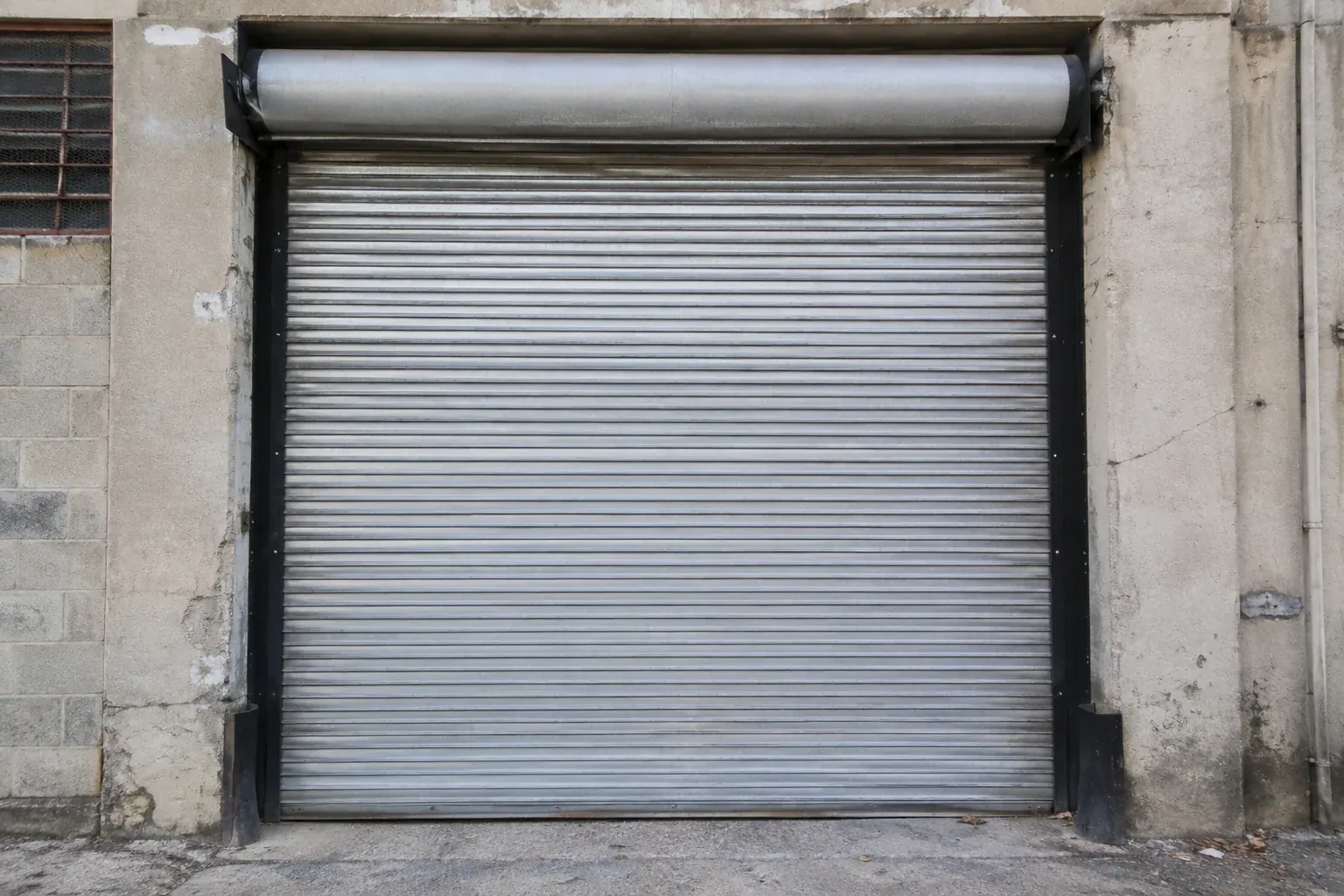
The hand chain takes far more effort than it did last month. The curtain feels heavy from the first pull, pauses around mid-travel, and settles downward instead of holding a steady position.
Commercial Rolling Door Repair
In plain words
Powered rolling doors add controls and protective devices to the mechanical assembly. A closing complaint may begin at the control station, interlock, sensing edge or photoelectric sensor rather than inside the operator. The visit checks the curtain's free movement first, then follows control response, brake action, limit settings, manual disconnect or hoist and external protection suited to that system. Compatible repairs are completed with the operating instructions in hand. Testing covers normal commands, stopping points, manual operation and protective-device response so staff understand how the restored door is intended to behave.
How the visit goesA lift truck clipped the lower curtain during unloading. Now two slats are bowed, an endlock catches halfway up, and each attempt to cycle the door pulls the damaged section farther toward one guide.
Trafalgar Heights
How the visit goes
Start with the operating story
The first clues come from the people who use the opening. The technician asks whether the change appeared after an impact, power interruption, cold night or gradual increase in noise; where the curtain stops; which control was used; and how many cycles the door normally sees. Staff can also point out a lock that sticks, a manual chain that has become heavy or a sensor that needs repeated cleaning. That history narrows the inspection before any cycling begins and distinguishes a one-time obstruction from wear that has been developing across the whole assembly.
Correct counterbalance and barrel issues
Barrel work is performed with the curtain secured because the internal or connected springs hold substantial tension. Bearings, brackets, shafts, tension wheels and fastening points are addressed first so the assembly has stable support. Spring adjustment follows the identified door procedure using proper winding bars and controlled increments, with operating effort checked between changes. The aim is balanced travel across the full opening, not a setting that merely feels light at one position. Drive sprockets, keys and roller chain are aligned and secured as part of the same mechanical path before power is returned.
Predictable travel through the opening
After repair, staff have a door that follows a repeatable path from sill to hood. The bottom bar rises level, slats enter both guides without a recurring scrape, and the curtain forms an orderly coil rather than wandering toward one bracket. Open and closed limits match the usable doorway, and the normal control produces the expected start, stop and direction. The technician demonstrates a complete cycle and points out the ordinary sounds of the assembly so a future change is easier to recognise. This clear operating baseline is often the most useful outcome for a busy facility.
Commercial Rolling Door Repair
In the van
- Barrel and headplate brackets
- Bottom bar and astragal
- Curtain slats and endlocks
- Guides and bellmouths
- Sensing edge and controls
What affects the quote
Same fees day, night or weekend
1Access above the opening
Ceiling height, hood location, stored goods, mezzanines and nearby services affect safe reach to brackets, barrel and operator. Lifts, platforms and material-handling arrangements are planned accordingly.
2Testing and documentation
Normal cycles, manual operation, protective responses, fire-door procedures and facility records vary by assembly. The proposal can name the demonstrations, measurements and written results included at handover.
3Electrical and structural coordination
Supply faults, building wiring, damaged framing or uncertain anchors may involve another responsible trade or professional. The rolling-door quote separates that coordination from authorised door-system tasks.
Commercial Rolling Door Repair: questions
Can the closing limit be adjusted to stop a floor gap?
Limit adjustment is appropriate when the curtain, bottom bar and guides are aligned and the seal simply stops at the wrong point. A sloped sill, twisted bar, hardened astragal or shifted curtain needs its own correction first. Setting extra downward travel against a mechanical problem can compress the seal and load the operator without producing even contact.
What gets tested before the door returns to use?
Testing follows the repaired system and can include full travel, curtain tracking, bottom-bar level, open and closed limits, manual effort, brake action, controls, locks, interlocks and protective-device response. Several controlled cycles help reveal repeated contact or noise. The completed record names the checks performed instead of relying on a general statement that the door operates.
What can facility staff check between service visits?
Staff can observe bottom-bar level, new dents or rub marks, guide debris, loose visible fasteners, torn seals, sensor cleanliness, unusual sounds and changes in operating effort. They can keep the sill and doorway clear and record impacts. Spring tension, bracket release and internal repairs remain controlled technician tasks because those areas involve curtain weight and stored energy.
Installation & Upgrades
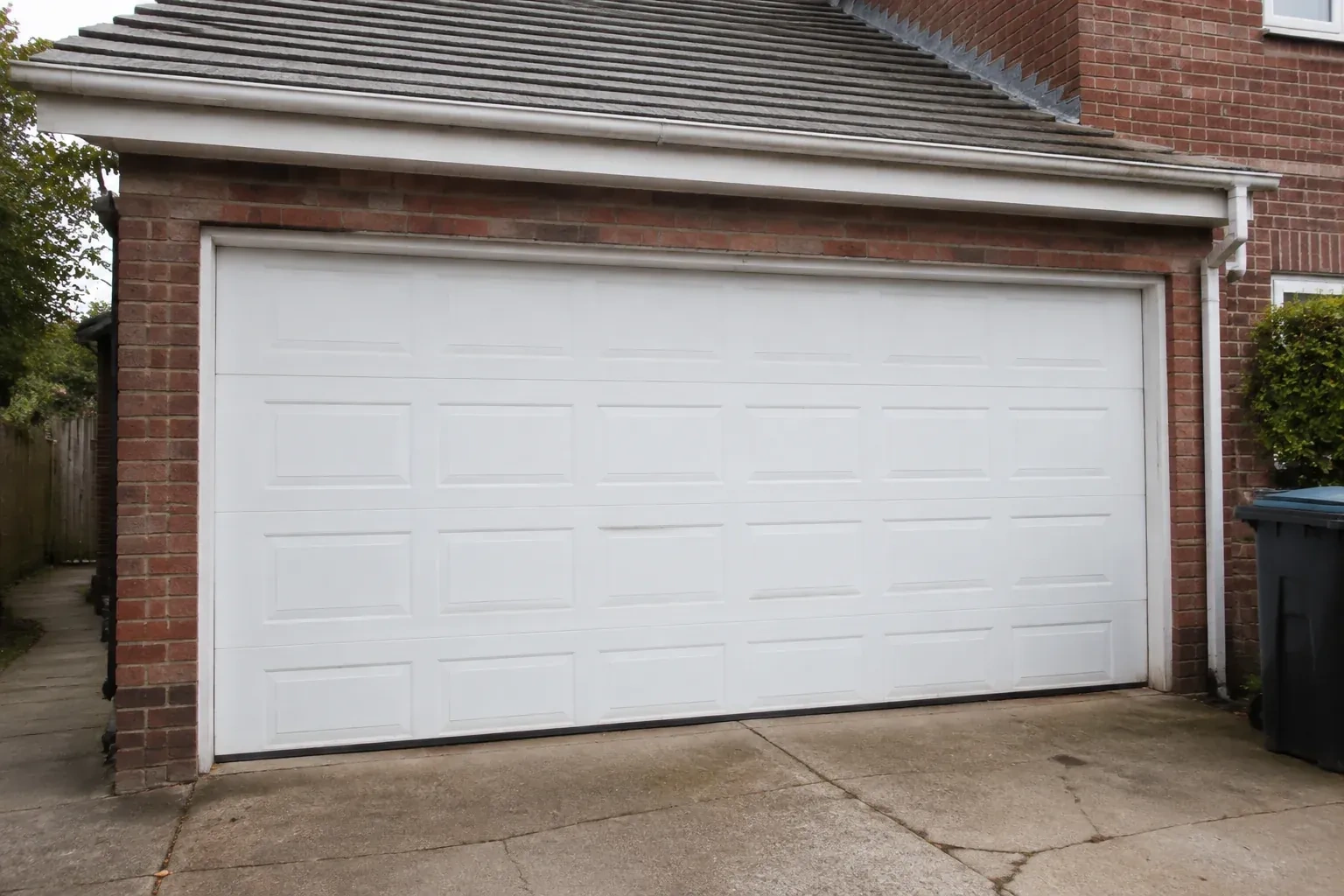
- Insulated Steel Garage Door InstallationA refreshed exterior has made the faded garage door stand out.
- Wind-Rated Garage Door ReplacementYour renovation drawings call for a garage door with a stated design pressure, yet the existing…
- Carriage-House Garage Door InstallationTraditional swing-out coach doors have the look you like, but the driveway needs to remain clear as…
Commercial Rolling Door Repair near you
For homes and businesses in Trafalgar Heights we handle the full run of garage door work: broken springs and cables, doors that have left the track, openers and remotes that stopped answering, worn rollers and seals, tune-ups, and new doors chosen and installed to suit the building.